Triangular Pyramid Embroidery Design
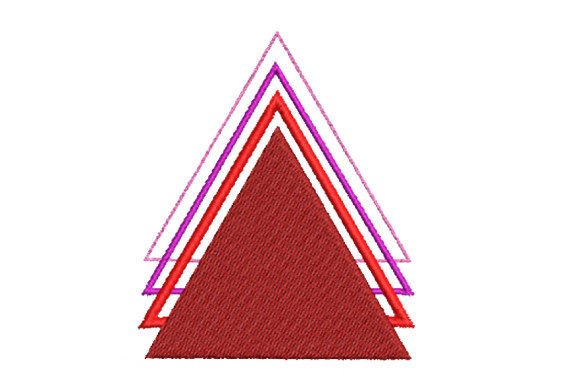
The Triangular Pyramid embroidery design offers a unique geometric shape that brings a modern and structured feel to any project. Its clean lines and three-dimensional illusion make it stand out as a versatile addition to both home decor and apparel. The design feels intentional, with a balance between simplicity and visual interest that can elevate a basic fabric into something more dynamic.
First Impressions: A Bold, Structured Shape
From the first glance, the Triangular Pyramid exudes a sense of order and precision. The sharp angles and layered look give it a contemporary aesthetic that works well in both minimalist and colorful settings. It’s not overly complex, but its form is distinctive enough to draw attention without overwhelming the overall design. This makes it ideal for projects where subtle sophistication is key.
The layout of the design suggests it could be used as an accent or focal point. It doesn’t demand too much space, which means it can fit on smaller items like baby onesies, aprons, or even small patches. The detail level is moderate—enough to show definition but not so intricate that it becomes difficult to stitch or read at a distance.
Real-World Use: Where Does Triangular Pyramid Shine?
Triangular Pyramid excels in custom apparel projects, especially on tote bags, sweatshirts, and t-shirts. Its structure allows it to hold up well on flat surfaces, making it a great choice for everyday wear. For example, using it as a tote bag design adds a fresh, modern touch that can appeal to a wide range of customers. It also works well as a sweatshirt embroidery, where the pyramid shape can add visual depth without being too busy.
On baby clothes, the design can serve as a gentle yet recognizable motif. It’s simple enough for a nursery setting but still has enough character to make the item feel special. As an embroidered patch, it could be used on backpacks, jackets, or caps, offering a sleek alternative to more traditional motifs.
For home decor, the Triangular Pyramid can be a standout element on pillow covers, tea towels, or kitchen linens. Its geometric nature pairs well with other patterns or solid colors, allowing it to blend seamlessly into different styles. It also has potential as a holiday embroidery piece, especially if paired with seasonal color schemes.
Challenges and Considerations
While the Triangular Pyramid is a strong design, it does have some limitations. On small hoop sizes, the details may become cramped, making it harder to stitch accurately. This is especially true for textured fabrics, where the design might not lay flat or could get distorted during the stitching process.
Thin or stretchy fabrics can also pose challenges. The design requires proper stabilizer to prevent puckering or distortion, particularly in areas with dense stitch coverage. Dark fabrics may require careful thread color selection to ensure visibility, while layered garments could complicate the placement and visibility of the design.
Curved surfaces like caps or hoods can also be tricky. The pyramid shape may not sit as neatly on a rounded surface, and the corners could appear stretched or misaligned. For these reasons, it’s best to test the design on similar materials before committing to a larger project.
Visual Appeal and Customer Perception
The Triangular Pyramid has a high visual appeal when stitched correctly. Its clean lines and balanced composition contribute to a professional finish that can enhance the perceived value of a handmade product. Customers often respond positively to designs that are both unique and easy to recognize, which makes this a strong choice for personalized gifts or boutique merchandise.
In terms of customer trust, a well-executed Triangular Pyramid can reinforce the quality of a finished product. It shows attention to detail and a clear understanding of how design elements interact with fabric and stitching. This is especially important for Etsy sellers or small shop owners who rely on visual appeal to attract buyers.
Practical Designer Notes
Before using the Triangular Pyramid in a real project, it’s wise to test it on scrap fabric. This helps assess how the design looks in different thread colors and fabric textures. Checking the stitch density is also crucial—too much density can cause bulk, while too little may result in a weak appearance.
Confirming the correct hoop size is another essential step. If the design is too large for your machine’s hoop, you may need to split it or adjust the placement. Inspecting small details, such as corners and edges, ensures that the design will look sharp after stitching.
Testing the design in black and white mockups can help visualize how it will appear on different backgrounds. Comparing light and dark fabric options can also reveal how the design interacts with various color schemes. Using the right stabilizer is key, especially for delicate or stretchy fabrics.
Finally, always check whether the design is suitable for both personal and commercial use. If you’re selling finished items or digital products, make sure the licensing terms allow for that. This is especially important for digital embroidery files sold online or used in printable mockups.
Conclusion: A Versatile, Modern Design
The Triangular Pyramid embroidery design is a smart choice for designers looking for a fresh, structured element to add to their projects. Its balance of simplicity and visual interest makes it adaptable across a wide range of applications, from custom apparel to home decor. While it has some limitations in certain scenarios, its overall performance and aesthetic make it a valuable addition to any embroidery file collection.